AI Art Reference Generator: Pose, Anatomy and Composition References in 2026
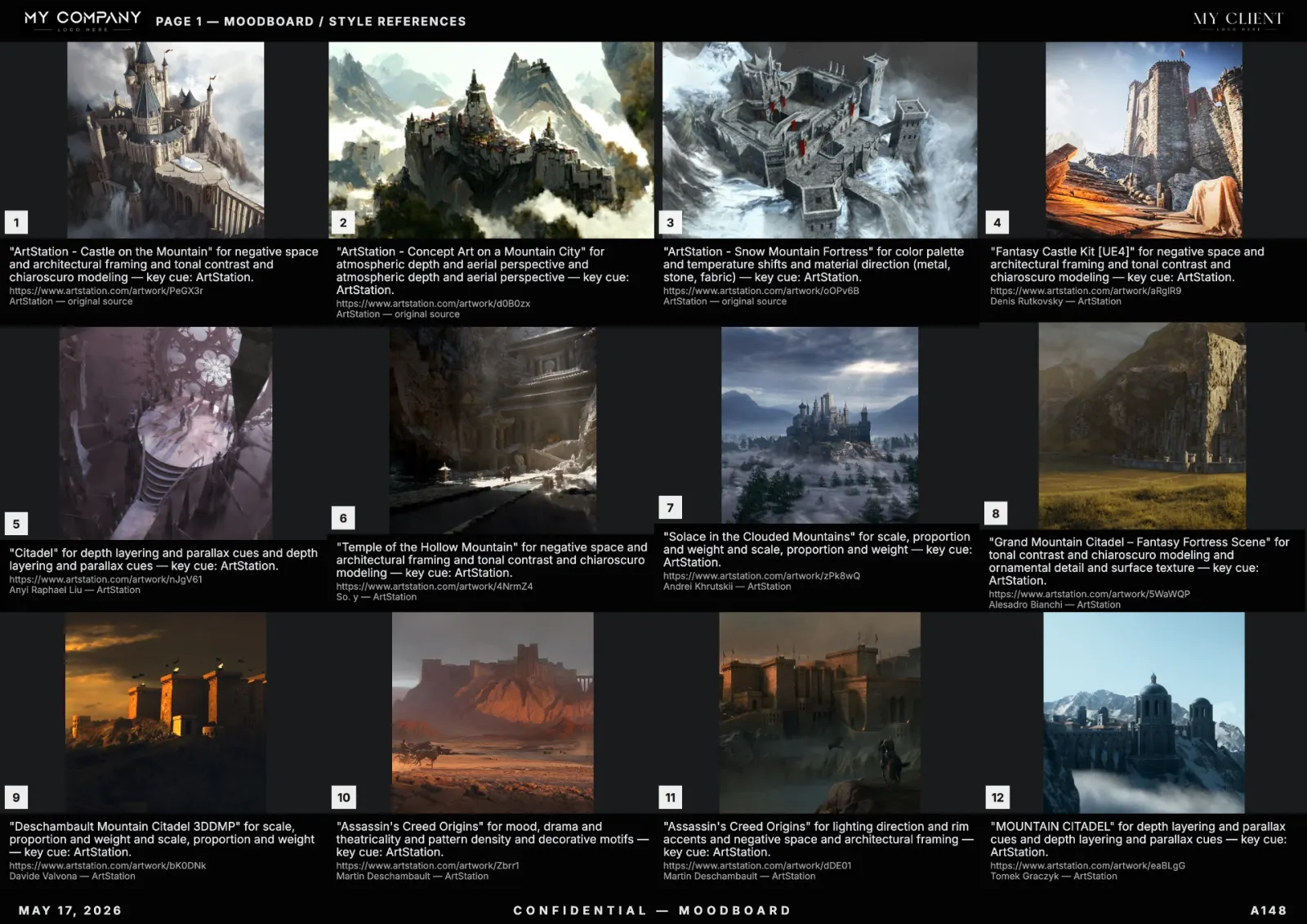
In 2026, illustrators and concept artists no longer scrape Pinterest for references. They generate them. An AI art reference generator produces unlimited, license-clean pose, anatomy and composition references on demand — the way photo references used to be shot, except in seconds.
What an AI art reference generator does
An AI art reference generator takes a prompt — "dynamic action pose, woman jumping over rooftop, low angle, 3-point lighting" — and returns one or more reference images optimized for drawing study. Unlike consumer AI art tools, the output is tuned for anatomy accuracy, clear lighting and usable proportions, not aesthetic finish.
The five reference categories every artist needs
- Pose reference — full body, dynamic action, gesture.
- Anatomy reference — muscle structure, hand and foot detail, faces.
- Composition reference — framing, depth, rule-of-thirds layouts.
- Lighting reference — golden hour, rim light, neon, underexposed.
- Environment reference — biomes, architecture, urban density.
How AI references beat photo stock and Pinterest
- Specific — you describe exactly the pose or angle you need.
- Unlimited — no "I cannot find a low-angle reference for X" deadends.
- License-clean — generated content (with the right tool) has clear rights.
- Iterative — change "left hand" to "right hand", regenerate, done.
The 2026 tool landscape
- PoseMyArt / Line of Action / Quickposes — classic non-AI pose libraries, free, finite.
- Stable Diffusion + ControlNet — power-user setup, total control, steep learning curve.
- Midjourney / Flux / DALL·E — beautiful results, hard to control specifics like exact hand position.
- RefMood (search-based) — curates real photographs and master paintings instead of generating them, so anatomy is correct by definition. Best for concept artists who want to study from masters as well as get fresh angles.
The hybrid workflow that wins
Studios in 2026 mix both approaches:
- Open RefMood for a curated board of real photographs and paintings that match the project's tone.
- Pick one tile as the anchor.
- Pass it to a generative tool with ControlNet for pose variations.
- Sketch from the variation set.
This combines the anatomical correctness of real photography with the iteration speed of generative AI.
Prompts that actually produce usable references
Bad prompt: "cool pose". Good prompt: "male warrior, low crouch, weight on back foot, arms drawing bow, three-quarter view, neutral lighting, gray background, full body in frame". The grammar is: subject, pose, view, lighting, background, framing. Hit all six and the hit rate goes from 20% to 90%.
When AI references fail
AI still struggles with: precise hand interlocks, accurate clothing physics, two-character interactions, weapons in hands. For these, use real photo references or pose models. The best workflow combines AI for the 80% common case with photo refs for the 20% hard cases.
Are AI-generated art references legal to study from?
Yes — using AI-generated images as study references is legal in essentially every jurisdiction. Restrictions kick in only when you publish or sell the AI image itself, or when the AI was trained without consent on identifiable artist styles. Studying from one is always fine.